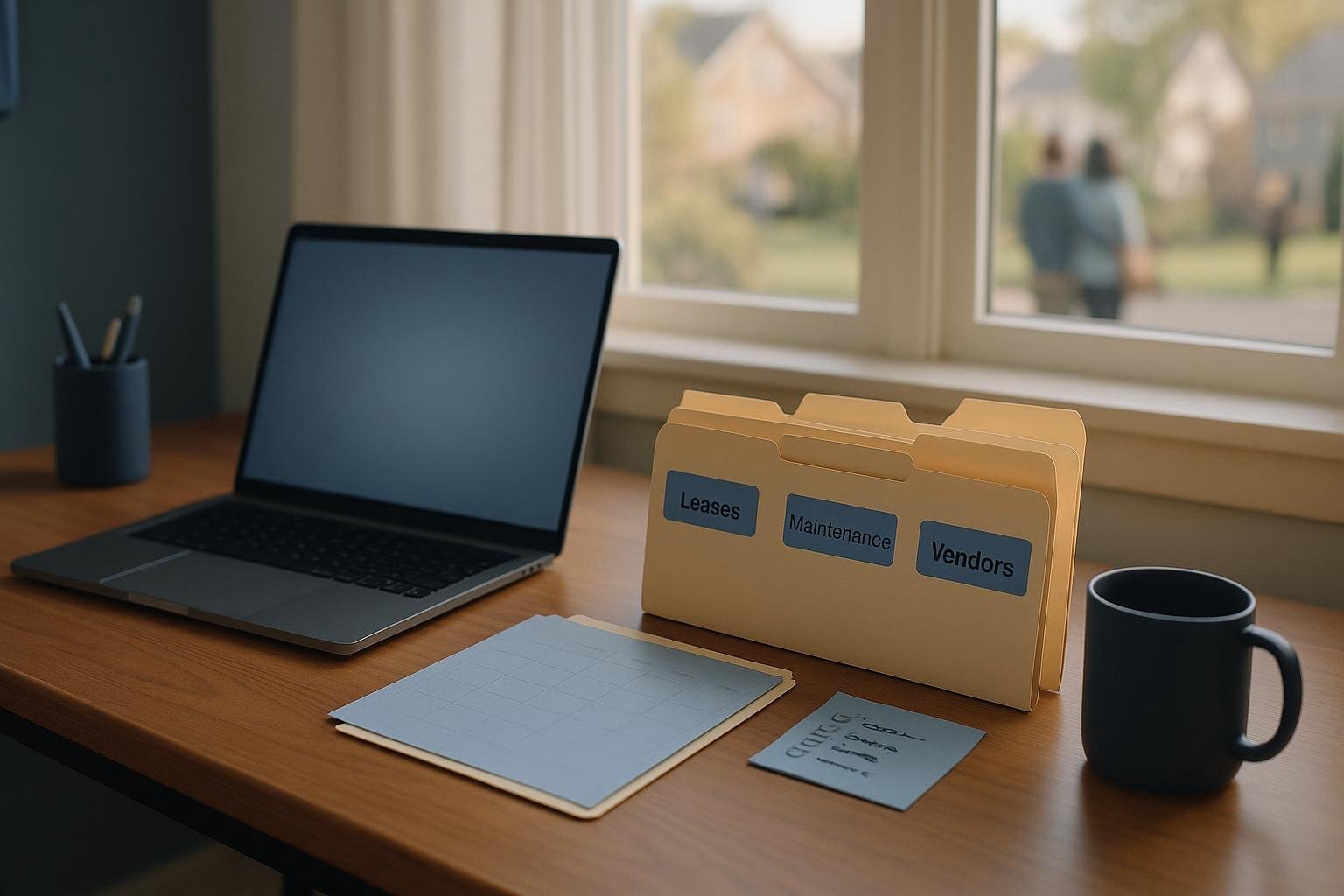

Move-ins get messy when you forget steps. You want clean handoff, no surprises, and proof of the unit’s condition. Here is the checklist I use before anyone gets keys.
Plan your timeline
Work backward from move-in day. Block time on your calendar now.
2–3 weeks before
- Confirm the move-in date and time in writing.
- Send your move-in packet and house rules.
- Book cleaners and any trades you need.
- Order locks, keys, fobs, parking permits, or mailbox keys.
- Confirm who handles utilities and set transfer dates.
1 week before
- Finish repairs and paint touch-ups.
- Test all appliances and fixtures.
- Rekey or change locks. Label keys.
- Do a quality check after cleaning.
- Confirm first payment and deposit plan. Tell the resident what is due before keys.
48 hours before
- Send a reminder with the address, parking instructions, and your phone number.
- Prepare the move-in condition report and a blank copy for the resident.
- Print or save digital copies of the signed lease and disclosures.
- Set thermostat to a reasonable temp.
Move-in day morning
- Quick walkthrough. Turn on lights. Run water. Flush toilets.
- Place the move-in packet on the counter.
- Set out a fresh set of keys and any access devices.
Confirm lease, money, and IDs
Do not hand over keys until these are done.
- Signed lease by both parties. If you use addenda, make sure they are signed too.
- Security deposit. Rules on amount, timing, and escrow vary by state and city. Check local law or a qualified professional.
- First month’s rent. Pro-rate if needed. Put the math in writing.
- Any pet fees or parking fees due at move-in.
- Photo ID for each adult occupant, as agreed in your lease.
- Receipts for every payment. Keep copies.
Prepare the unit
You want “hotel clean” and everything working. Leave no small job undone. Small misses become big calls later.
- Deep clean kitchen, bath, and floors. Inside appliances too.
- Replace HVAC filter. Test heat and A/C.
- Test fridge, stove, microwave, dishwasher, washer, dryer.
- Run water at every sink and tub. Check hot water and drains.
- Check for leaks under sinks and at shutoff valves.
- Replace dead bulbs. Test every outlet with a small plug-in tester.
- Test smoke and CO detectors. Replace batteries or units if expired. Requirements vary by location. Check local law.
- Check windows, locks, screens, and blinds.
- Patch and paint as needed. Color match is worth it.
- Pest check. Treat if you see activity.
- Yard tidy. Snow or leaves handled if needed.
- Document with photos or a short video. Time stamp and store safely.
Utilities and services
Avoid service gaps and surprise bills.
- Confirm who pays which utilities per the lease.
- Submit transfer orders with utility companies.
- Record move-in meter reads for electric, gas, water if accessible.
- List trash day, recycling rules, and bulk pickup steps.
- Share internet or cable options if you know the building’s limits.
Keys, codes, and access
- Rekey or change locks after every turnover.
- Prepare two full key sets. Label by room or door, not by address.
- Test door codes, gate codes, and intercoms.
- Mailbox keys and instructions to update names with USPS if needed.
- Parking permits, garage remotes, storage keys, bike room access.
- Note replacement costs in your house rules or lease.
Move-in condition report and walkthrough
This protects both you and the resident. Do it on move-in day if possible.
- Start outside. Note exterior condition, mailbox, parking, and storage.
- Walk room by room. Floors, walls, ceilings, doors, windows, closets.
- Operate every appliance and fixture together.
- Note pre-existing wear. Take photos of anything notable.
- Have both sides sign and date the report. Give each a copy.
- Set a short window for extra notes. I use 72 hours for anything missed.
House rules and how to reach you
Set clear channels so you do not live in your text messages.
- Share your normal contact hours and an emergency number.
- Explain how to submit maintenance requests and what is an emergency.
- Quiet hours, smoking policy, pets, guests, grills, satellite dishes.
- Trash and recycling rules. Bulk pickup and move-in debris disposal.
- HOA or building rules if they apply. Provide the latest copy.
If you want one place for messages and work orders, HelloNido lets residents send maintenance requests and messages in the app. You can also share documents there so no one hunts emails later. Learn more at /landlords.
Set up rent collection and reminders
Decide how rent gets paid before keys change hands. Put the rules in writing.
- Due date and grace period, if any. Late fee rules vary by state and city. Check local law.
- Payment methods you accept. Where to send or pay.
- Who to contact if there is a payment issue.
- Autopay is your friend if you offer online payments.
If you want online payments without holding funds, HelloNido lets residents pay by card or bank transfer, even on autopay. Rent goes through Stripe to your own bank. You can set automatic monthly charges from leases and reminders so no one forgets. See plans at /pricing or read our guide: How to Collect Rent Online as a Small Landlord.
Parking, storage, and shared spaces
- Show assigned spots and where not to park. Explain towing rules.
- Give out storage unit numbers and keys. Note any weight or fire rules.
- Explain laundry access, hours, and payment method.
- If there are shared facilities, explain how to book them and the rules.
Compliance and required disclosures
Requirements vary a lot by state and city. Check local law or a qualified professional.
- Lead-based paint disclosure for pre-1978 homes, where required.
- Bedbug, mold, or radon disclosures in some areas.
- Rental registration or certificate of occupancy in some cities.
- Move-in inspection forms that must be used in some states.
- Smoke and CO detector placement rules. Fire extinguisher rules for some units.
- Fair housing and habitability standards always apply. Know your duties.
Move-in day script: 30 minutes that works
- 5 minutes: Welcome. Confirm IDs. Confirm funds were received.
- 10 minutes: Walkthrough with the condition report. Take photos.
- 5 minutes: Hand over keys, codes, mailbox keys, and permits.
- 5 minutes: Review house rules, maintenance request process, and emergency contacts.
- 5 minutes: Answer questions. Remind them of the 72-hour note window.
After move-in follow-ups
- 72-hour follow-up. Collect any extra notes. Agree what is normal wear vs a repair.
- 7-day check-in. Make sure mail keys, parking, and appliances are all set.
- Close out your turnover file. Store the signed condition report and photos.
- Update your records. Mark the unit occupied. Remove public listings.
- Schedule the first filter change or seasonal checks on your calendar.
Move-in packet checklist
- Signed lease and all addenda.
- House rules and contact sheet.
- Required disclosures for your state and city.
- Move-in condition report, signed.
- How to pay rent. Where, how, due date, and late policy.
- Maintenance request instructions. What counts as an emergency.
- Trash, recycling, and bulk pickup info.
- Utility info and account setup instructions.
- Parking map, permits, and towing info.
- Local basics. Nearest laundromat, bus line, or management office hours.
Summary: what to do next
Lock in the move-in date. Finish repairs and cleaning a week ahead. Get the lease, money, keys, and condition report ready. Do a short, focused handoff on move-in day. Keep proof of the unit’s condition. Set clear rules and one place for payments and maintenance. If you want software that helps with payments, reminders, messages, and maintenance tickets, take a look at HelloNido’s landlord tools at /landlords.