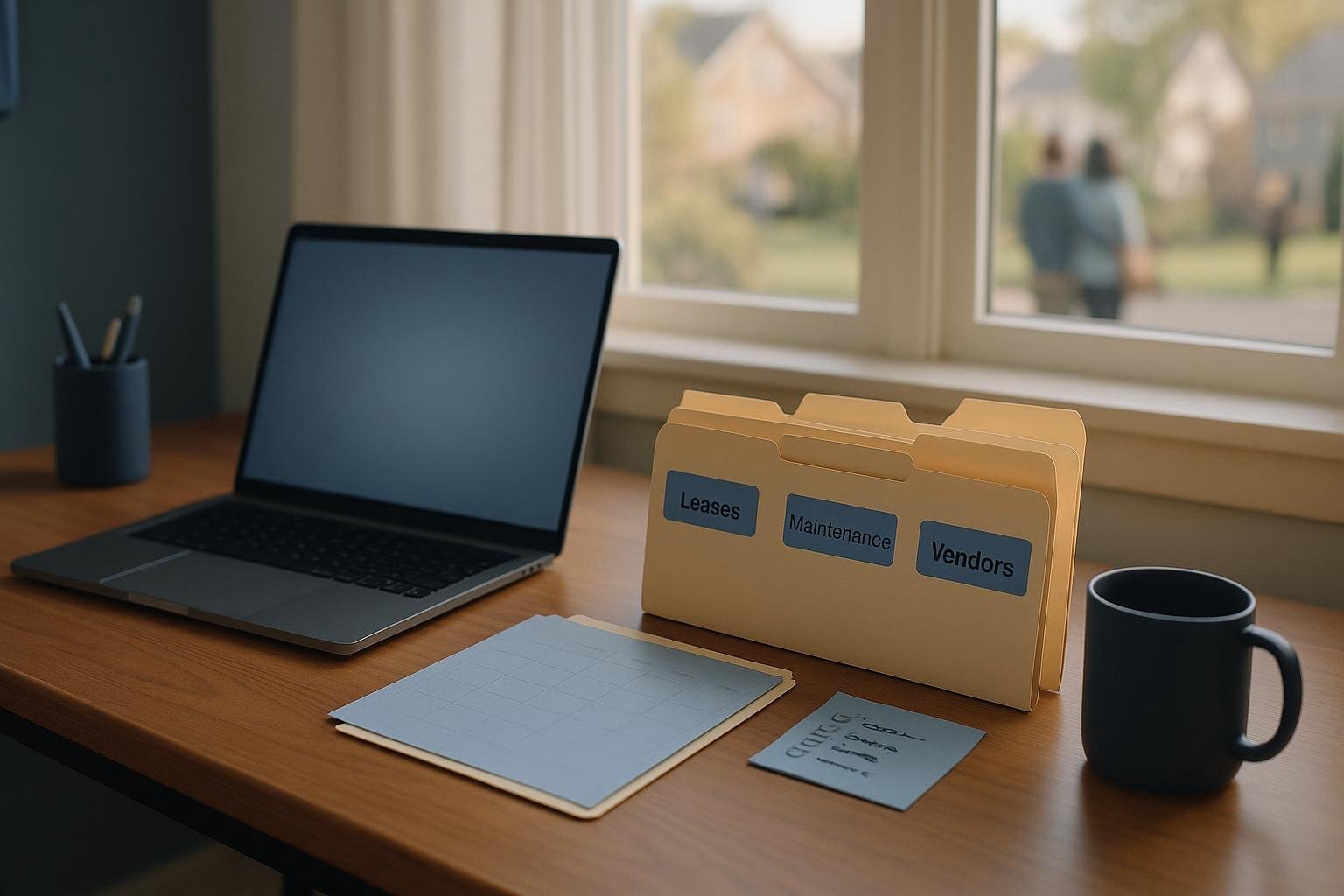
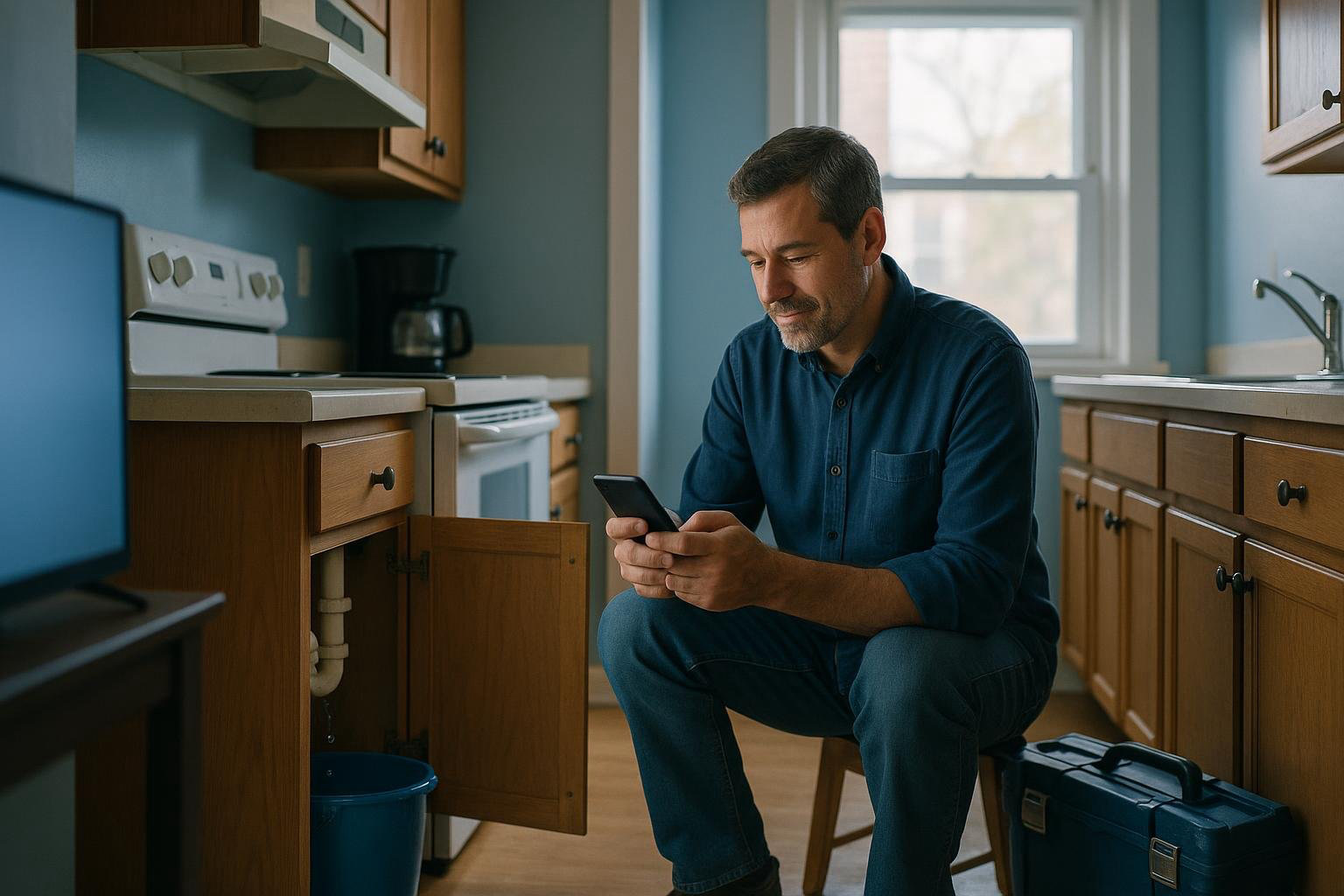
Small problems turn into big bills when you miss or delay a maintenance request. A slow drip becomes a ceiling repair. Set up a simple system and most issues stay small.
Pick one way to take maintenance requests
Scattered texts and DMs are how things get lost. Give residents one clear path for non-emergencies. Post it in the lease, the move-in packet, and on the fridge.
- Online form or portal. It keeps everything in one place.
- One phone number for emergencies only. Calls or texts are fine, but be clear on what counts as an emergency.
- Set quiet hours rules. Say when you will respond to non-emergencies.
If you use software, keep it simple. HelloNido has maintenance requests and in-app messages, and it works on any phone or computer. Residents do not need a subscription.
What every request should include
Ask for the same details every time. You will save trips and time.
- Resident name, phone, email
- Property and unit
- Clear description of the problem
- How long it has been happening
- Photos or a short video
- Permission to enter with a key if they are not home
- Pets in unit
- Best days and times for access
- Water or power shutoff tried yet? If yes, which valve or breaker
- Is water still leaking now
Put these fields on your form. If you get a vague text, reply with a short template that asks for this info.
Triage fast: emergency, urgent, routine, preventive
Decide where it lands right away. Aim to acknowledge fast, even if you fix later.
- Emergency: active water leak, sewer backup, no heat in winter, gas smell, electrical burning smell, fire, unsecured exterior door or window. Acknowledge right away and stabilize same day when you can. Tell residents to call 911 or the gas utility for fire or gas.
- Urgent: fridge not cooling, no hot water, AC out in extreme heat, broken toilet when it is the only one, oven not working. Aim for 24 to 72 hours.
- Routine: dripping faucet, running toilet with a second bathroom, cabinet hinge, screen tear, slow drain. Aim for 7 to 14 days.
- Preventive: filter changes, gutter cleaning, dryer vent cleaning, annual HVAC service. Put these on a calendar.
Local rules on repair timelines vary by state and city, especially for heat, water, and electrical. Check your local law or a qualified professional.
Response times and simple scripts
Set your own standards. Then stick to them.
- Acknowledge: same business day for non-emergencies. Within an hour for emergencies.
- Schedule: offer two time windows within 24 hours of the request.
- Update: if parts are ordered or a vendor is delayed, send a quick note.
- Close: confirm the fix and ask for a quick “all set.”
Copy and paste these:
- Acknowledge, routine: “Got it, thanks. I have this as routine. I will follow up with a time window within 24 hours. Please reply if mornings or afternoons are better.”
- Acknowledge, emergency: “I see this is an emergency. If water is active, shut off the nearest valve. I am dispatching help now. Please keep your phone nearby.”
- Access permission: “Do I have permission to enter with my key if you are not home? Reply YES or NO.”
- Closeout: “We completed the repair today. Please reply OK if everything looks good.”
Troubleshoot before you roll a truck
Many calls are quick fixes. Ask the right questions and share safe self-checks.
- No power at outlets: check the breaker and press GFCI reset in kitchen, bath, or garage.
- Garbage disposal hums: hit the reset button on the bottom, use the hex key to free the flywheel, then try again. Never put hands inside.
- No heat: set thermostat to heat and fan to auto, replace batteries, check filter. If still out, schedule HVAC.
- No hot water: check if the pilot indicator shows a fault on newer units. Do not ask residents to relight pilots. Send a tech.
- Drip under sink: close the angle stop, put a bowl under the P-trap, send photos of where the drip hits.
- Toilet running: flip the shutoff to stop water if it will not stop. Then schedule.
- Smoke detector chirp: replace the battery if it is a single-unit detector. For hardwired or building systems, send a tech.
Share a one-page “Before you submit” checklist at move-in and in your portal.
Scheduling and access without the back-and-forth
Offer two time windows. Ask for key-permission in your form. Keep a lockbox on site or use coded smart locks where allowed.
- Confirm pet details and containment plan.
- Text when on the way and when done.
- If a resident no-shows and you cannot enter, have a clear reschedule policy.
Notice rules for entry vary by state and city. Check local law and follow your lease.
Track every request from open to done
Use a simple tracker. Each request gets an ID, status, and notes. Keep photos and invoices with it.
- ID, property, unit, resident
- Created date, first response date
- Priority, assigned to, target date
- Notes, parts ordered, vendor ETA
- Cost, warranty info
- Before and after photos
- Closed date and resident confirmation
You can do this in a spreadsheet. Or log maintenance requests, messages, and documents in HelloNido and export your data when you need it.
Build your vendor bench before you need it
Line up go-to pros now. Do a small test job with each.
- Plumber, electrician, HVAC, appliance, handyman, roofer, locksmith, pest control, drain and sewer, garage door
- Collect W-9, COI, license where required
- Know after-hours rates and service areas
- Set approval limits. Example: handyman up to $200 without checking in. Above that, call you.
Keep a trunk kit for small fixes
A small kit turns two trips into one.
- Assorted supply lines, angle stops, P-trap kit, plumber’s putty, Teflon tape
- GFCI outlets, outlet covers, light switches, bulbs
- HVAC filters in common sizes
- Door hardware, cabinet hinges, screws, anchors
- Caulk, spackle, sandpaper, paint touch-up
- Basic tools, voltage tester, stud finder, ladder
Preventive maintenance that pays for itself
Set recurring reminders. Many emergencies disappear when you do the basics.
- HVAC service and filter changes
- Gutters and downspouts clear before heavy rain
- Dryer vent cleaning
- Smoke and CO detector testing and battery swap
- Water heater check for leaks, pans, and valves
- Caulk and grout touch-ups in wet areas
Have an emergency plan residents can follow
Share this at move-in and post it where they can find it.
- Water leak: shut off nearest valve or main. Put down towels. Put a bucket under the drip. Send photos.
- Gas smell: leave the unit, do not use switches, call the gas utility and 911. Then call you.
- Electrical burning smell or sparking: turn off the breaker. Call you. If fire, call 911.
- No heat in winter: call you. If you provide space heaters temporarily, explain safe use.
- Sewer backup: stop water use, keep people out of affected area, call you.
Again, timelines and rules vary by state and city. Check local law.
Who pays for what
Set expectations up front. Put it in your lease and your handbook.
- Normal wear and tear is on you.
- Damage or misuse may be on the resident. Examples: flushable wipes clogs, grease in drains, holes from unauthorized mounts.
- Appliance misuse training helps. A five-minute call saves a service visit.
What you can charge and how you must notify varies by state and city. Check local law and your lease before billing back a resident.
Communicate like you would want as a resident
Most complaints are about silence. Short updates keep trust.
- “Part is ordered. ETA Friday. You are on the schedule for Monday 9 to 11.”
- “Tech is running late. New window is 1 to 3. Sorry for the hassle.”
- “All set. Here are photos of the repair. Reply OK.”
Watch a few simple metrics
You do not need dashboards. A few numbers tell you if small problems are staying small.
- First response time
- Average days to complete by priority
- Open requests per unit
- Top repeat issues by property
- Maintenance spend per unit
Use these to plan upgrades. If one building eats garbage disposals, you now know why.
Teach the system at move-in and renewal
Give every resident a one-pager.
- How to submit a request
- What is an emergency and who to call
- What to try before submitting
- Access rules and pet plan
Review it during the key handoff. People remember what you say while you show them the shutoff valves.
If you are moving other tasks online
Keep your tools few and simple. If you are also taking rent online, see How to Collect Rent Online as a Small Landlord. Same idea. One clear process. Less chasing.
Summary: what to do next
Pick one intake method and post it everywhere. Ask for the right info up front. Triage fast. Set response targets and use simple scripts. Troubleshoot safely before you roll a truck. Keep a small parts kit. Build your vendor list now. Track each request to done and close the loop with the resident. Plan preventive work so emergencies are rare.
If you want a light tool that keeps requests and messages in one place, try HelloNido. It handles maintenance requests, messages, document sharing, and data export. You can manage it on any phone or computer.